

Il New York Latino Film Festival proietta dozzine di lungometraggi, cortometraggi e documentari dal 15 al 20 settembre al Regal Union Square. Ecco una panoramica dei vari film queer in programma quest’anno.
The fantastic documentary “Jaripeo (17 settembre, ore 20:15) immerse viewers in the hidden world of queer rancheros in Michoacán, a state in western Mexico. Efraín Mojica, who codirected with Rebecca Zweig, explores the expectations around masculinity and sexuality in this rodeo culture. There are discussions of the secret glances, flirting, and discrete behavior — usually after drinking — that these men engage in, but the men often fail to form lasting relationships. “Jaripeo” features interviews with a macho man, Noé, who only wants to be with other masculine men, as well as a guy who is more effeminate and feels he has the support of the community. One segment chronicles a performer who dresses as a “sexy, cheeky lady” for the rodeo. Mojica, who is not out to his family, also talks with guys about the guilt and fear he and some of his fellow rancheros have regarding being open about their sexuality and how attitudes about masculinity, especially in remote areas, are passed down through one’s parents. In between these episodes, Mojica intersperses artfully made Super-8 segments of the rodeo culture, and there are many scenes of the rodeo itself — including bull roping and riding to the dancing after the events. “Jaripeo provides a fascinating glimpse into a little-seen subculture.
“I Am Mario” (17 settembre, ore 17:15) è uno studio di personaggio sensibile su Mario (Oustin De León, nel suo debutto cinematografico), un taxista transmaschio in Messico che rimane incinto in modo inaspettato dopo una notte di alcol con il suo amico, Joaquin (Héctor Kotsifakis). Mario è sorpreso da questo sviluppo — e spaventato. Non solo la gravidanza mette in pausa i suoi piani di chirurgia di affermazione di genere, ma potrebbe anche distruggere la sua nuova relazione con Jessica (Ruth Ramos); Mario esita nel confidarle la sua condizione. Mentre la sorella di Mario, Socorro (Mayra Batalla), è solidale — l’accompagna in una clinica per l’aborto — sua madre, Inés (Mercedes Hernández), è turbata. Il dramma avvincente della sceneggiatrice-regista Sharon Kleinberg non sfrutta la situazione. Al contrario, mostra l’impatto emotivo che Mario affronta nel cercare di nascondere la verità e vivere la sua vita con dignità e rispetto.
The documentary “Nació Simón” (19 settembre alle 14:15) presenta Lis, una madre portoricana non binaria di due figli, che affronta l’avversità, soprattutto attraverso l’energia che sente come Simón, un re drag. Girato tra il 2018 e il 2021 (dopo l’uragano Maria e durante la pandemia), Lis cerca spazi sicuri durante il lockdown quando gli spettacoli sono vietati. Una scena in cui Lis passa del tempo con gli amici a guardare video drag illustra quanto sia importante per loro la comunità queer. Al contrario, gli abusi che Lis riceve dalla madre sono raccontati in modo straziante. Le sequenze di performance sono i momenti salienti del film, che mostrano Simón sperimentare la gioia queer. “Nació Simón” è un ritratto interessante di resistenza.
“Tropical Park” (19 settembre, ore 14:30) è un duo attoriale in piano-sequenza su Frank (Ariel Texidó) che dà una lezione di guida a sua sorella trans Fanny (Lola Bosch). Il film, diretto da Hansel Porras Garcia, è girato interamente dal sedile posteriore dell’auto, permettendo agli spettatori di ascoltare le conversazioni tra i fratelli (improvvisate dagli attori) che spaziano da discussioni leggere sui mezzi pubblici, sul suo ragazzo e sui suoi figli, a temi più seri tra cui la madre in fin di vita e un padre transofobo. Frank e Fanny discutono anche onestamente tra loro dopo che lui le chiede di andare a vivere altrove. (Fanny era rimasta a vivere da Frank a Miami dall’arrivo da Cuba un mese prima.) “Tropical Park” permette agli attori di mostrare le proprie emozioni all’interno del fotogramma fisso, e le lezioni di guida sono una metafora di come i personaggi navigano la vita. Il film di Garcia, ricco di dialoghi, culmina in una scena toccante che rende davvero degno il viaggio fuori e ritorno.
“TheyDream (19 settembre, 18:30), by openly bisexual filmmaker William D. Caballero, is a poignant documentary made with various animation styles that are occasionally interspersed with home movie footage. Caballero builds miniature sets of his mother’s trailer home in Fayetteville, NC and uses them to animate and recount the experiences of his Puerto Rican family, including his father, who is diabetic, his late Gran’pa and Gran’ma, as well as his dog, Gustav. Caballero and his mother, Milly, find strength in each other, as they reflect on their lives, losses, and issues of mortality and art. Despite its emotional moments, “TheyDream” is often uplifting; it is especially charming when the filmmaker coaches his mother on how to record dialogue, or they recall her attending LA Pride one year. And watching them cut out rainbow wings that come to life through animation in one sequence is adorable. This is a heartfelt film about love and family.
There are more than a half dozen shorts and one episode of a webseries playing at the New York Latino Film Festival.
In the Spectrum Shorts program (Sept. 16), “The Motivein is writer/director Jorge Molina’s nifty little film about a flustered detective (Brandon Shypkowski) who is determined to learn what prompted a gay man (Brendan Scannell) to off his boyfriend (Collin Riley). Their conversation, which includes recounting clues from a vision board, becomes a battle of wills before a clever reveal.
Shorts Program 3: Relationship Status: It’s Complicated (Sept. 17, 21:15) features a quartet of queer shorts.
“Welcome Home, Jeremy Diaz” has Landon (Joel Oramas) preparing for the opening of his Pride Center, which is being hosted by his ex, Jeremy Diaz (Alain Lapinel), who is now a celebrity. But what starts out as a friendly reunion eventually becomes an opportunity to clear the air. This bittersweet film captures the genuine emotions both men feel and their efforts to move on from their past and possibly find a way forward.
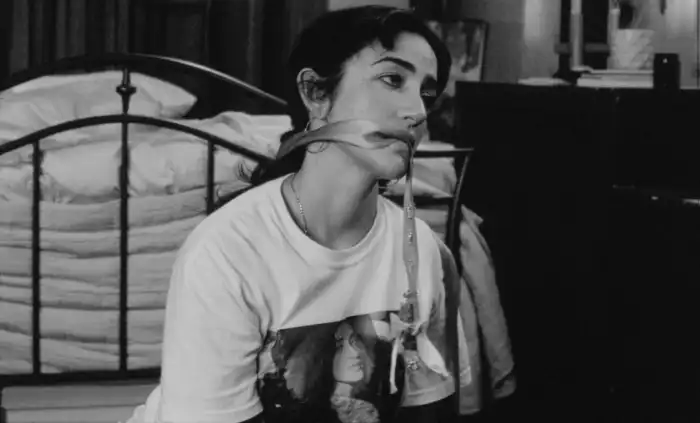
“Pangea,” shot on film and in arty black and white, has Rita (writer/director Mimi Davila) at odds with Echo (Sasha Merci). They bicker in Echo’s apartment and while out on the streets of New York, eventually finding some possible détente when Mimi works at seducing Echo. There is more going on under the surface, and “Pangea” benefits from the awkward dynamic between them.
“Today & Tmrw” è un cortometraggio tenero su due ragazzi, Mariah (b) che si veste in modo maschile, e Kimberly (Imani Lewis), che può provare reali sentimenti per la propria amica in un pomeriggio. L’atmosfera sobria del film ruota attorno al rapporto di spinta e tiraggio tra i due, tra litigi su cosa mangiare (pizza o cinese) e quando Kimberly chiede a Mariah di fare i compiti. E c’è certamente una certa tensione su se dovrebbero esprimere il loro affetto. Si tratta di un corto leggero, una fetta di vita che potrebbe essere sviluppata in un lungometraggio.
“The Long Con” di Aitch Alberto (“Aristotle and Dante Discover the Secrets of the Universe”) è un irresistibile film di rapina che racconta una sposa (Nava Mau) che ha un rendezvous con un truffatore sudato (Oliver Stark) in un motel malfamato dopo aver portato a termine un colpo. Ma lui non si fida completamente di lei e il gestore (Marlene Forte) sospetta che ci sia qualcosa di losco in corso. I protagonisti sono sexy e magnetici, e “The Long Con” tiene lo spettatore sulle spine mentre gli eventi si sviluppano, ed è per questo che è così divertente.
In the Midnight Shorts Program (Sept. 17, 22:00) “Turn Away” è una storia tesa e terrificante su Omar (Ayrton Emerson), che si è risvegliato dal coma. Il suo ragazzo Isaac (Cesar Coto) arriva per liberarlo (prematuramente) dall’ospedale. Omar è incerto, ma Isaac ha un’agenda, che viene rivelata in un momento scioccante a bordo di una barca. “Turn Away” può sembrare dubbia, ma è sorprendentemente commovente.
In the Pa’lante: Stories from the Caribbean program (19 settembre, 14:00) include “Chulo,” which ha Gael (writer/director Joshua Hernández) meeting up with Mateo (Gabriel Leyva) while visiting family in Puerto Rico. As they spend blissful days together at the beach or at a waterfall and nights roaming around the city, Gael becomes concerned about the future of their relationship because he will soon have to return to New York. “Chulo” is a sweet, romantic short that nicely captures the attraction that develops — and the wistful emotions of an uncertain future.
The Futuro Web Series program (Sept. 19, 6:30 pm) includes the first episode (only) of the new Brazilian series, “Ayô,” about the title character (Lucas Oranmian), a Black gay actor who struggles to get work and to find love. (His boyfriend, Manu (Caio Blat) does not want to be seen with him in public, a red flag.) How Ayô finds his self-worth is at the heart of this engaging series that hopefully will be available to stream soon.
For tickets and more information, visit https://nylatinofilmfestival.com/2026/
“The New York Latino Film Festival” | 15-20 settembre | il Regal Union Square Cinema
